




Choose Your Country or Region
Select a different country or region to view content tailored to your location.


Stefan is a financial writer and Forex trading enthusiast with over a decade of experience in finance and technology. His interest in geopolitics, big data, and market sentiment drives his analysis of global market trends, with unbiased, well-researched content to help traders navigate the markets confidently.

Facebook and Instagram responsible for more than 50% of Forex fraud originating on social media.
Last month, Finance Magnates and FxStreet conducted a survey of traders to better understand the prevalence of trading fraud on social media platforms. The survey came hot on the heels of a report published in October 2023 by the USA’s Federal Trade Commission which reported 2.7 billion USD in losses due to scams originating from social media since 2021.
Yesterday, Finance Magnates published the results of the survey, which were distressing if not surprising. Of the 631 respondents, 38% reported that they had been targeted by scams on Facebook. Telegram was next with 34% and then WhatsApp and Instagram with 25% and 21%, respectively.
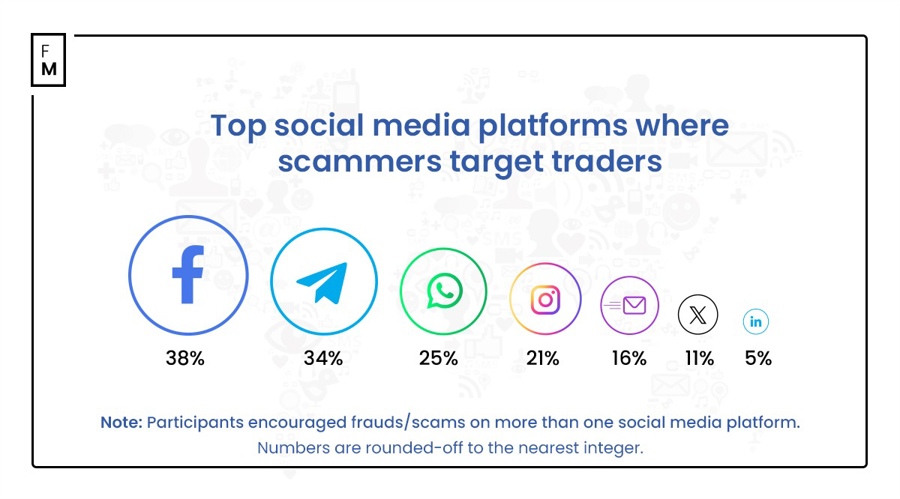
Image Credit: Finance Magnates
Meta platforms still the problem, though Telegram and WhatsApp are growing concerns
Interestingly, the study bore out the results of our own research from December 2020 which showed that over 50% of Forex scams in South Africa originated on Facebook and Instagram, with Facebook being the chief culprit.
The main change over the last 3 years has been the rise of instant messaging services as a hunting ground for scammers. This dovetails with their increased popularity as tools for traders to stay in touch with signal providers and members of their Forex trading communities. Their increased popularity is also reflected in the methods scammers use to con their victims, with 35% of respondents reporting fraud perpetuated by clone brokers or signal providers.
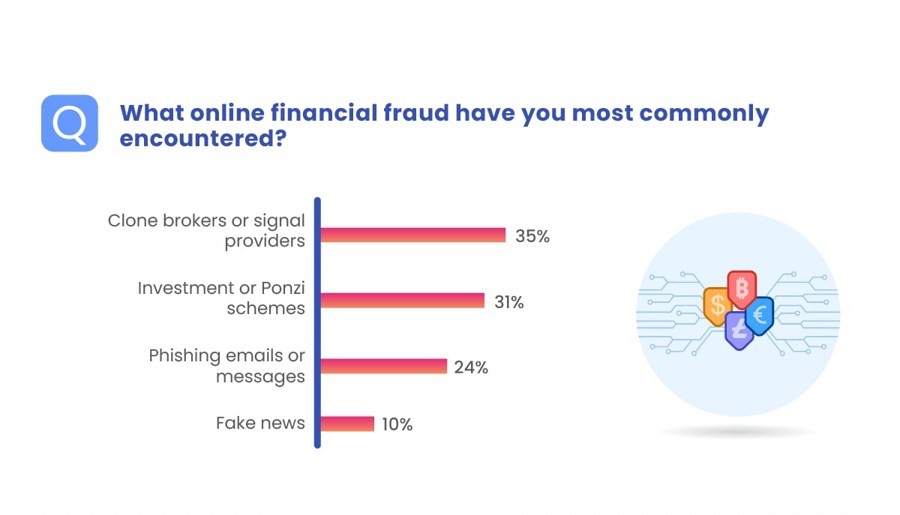
Image Credit: Finance Magnates
Scams are common, but traders are not confident in avoiding them.
One of the more hair-raising findings from the survey was how common scams are seen by traders on social media on via their messaging apps. Over 80% of those surveyed reported encountering scams frequently or occasionally on social media.
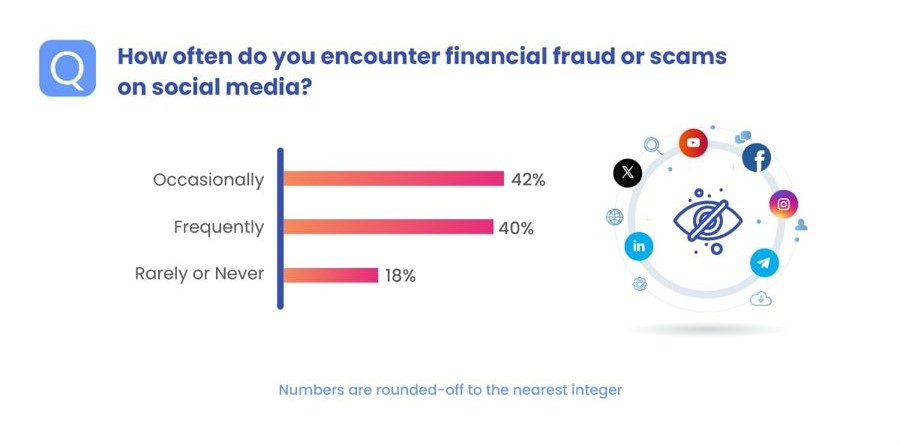
Image Credit: Finance Magnates
Traders also admit to having low confidence in avoiding scams online. Only 41% of respondents replied that they were very confident in avoiding scams, with 59% either somewhat confident or not confident.
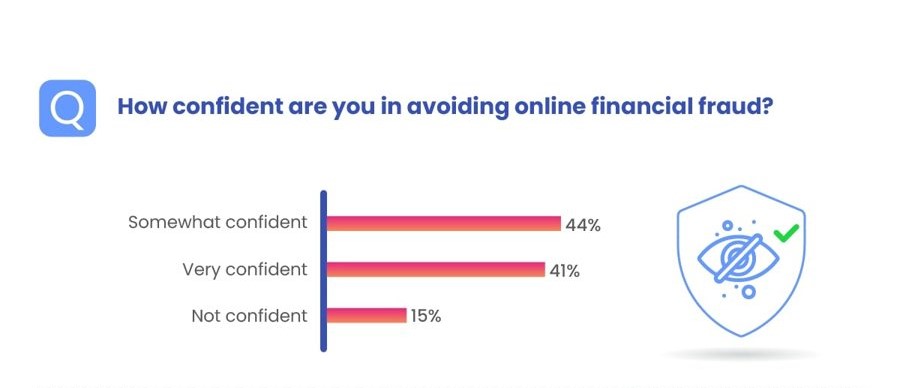
Image Credit: Finance Magnates
When we match the prevalence of scams together with the low confidence traders have in avoiding them, it’s no wonder that criminals targeting traders are making a small fortune via social media and messaging apps.
What you can do to protect yourself
By far the best way to protect yourself is to never send money to anyone you meet over social media. Our guidelines on how to avoid scams and what to do if you think you have been scammed are essential reading for all Forex traders, both beginners and more experienced. Other important things to remember are:
- Never give money to someone to trade on your behalf unless you are CERTAIN they are a licenced financial professional.
- Never trust any broker or person offering guaranteed returns or huge profits.
- Always verify that a broker is regulated.
- Seek out broker reviews from reputable sources.
- Learn how to spot a scam broker.
Others Also Viewed
Explore more resources that fellow traders find helpful! Check out these other guides to enhance your forex trading knowledge and skills. Whether you’re searching for the best brokers, educational material, or something more specific, we’ve got you covered.
Best Brokers in the Philippines
Discover the top Forex brokers in the Philippines. Compare top platforms, fees and features to make an informed trading choice.

How does Forex Trading Work?
What is Forex trading and how does it work? An easy-to-read guide including how to trade, and how to choose a reliable broker.

Forex Brokers for Beginners
Explore the best Forex brokers for beginners in the Philippines with user-friendly platforms, educational resources, and demo accounts.
Meet the Experts Behind Our Unbiased Reviews
Chris Cammack
Partner Manager and Financial Writer

Alison Heyerdahl
Head of Content
Stefan de Clerk
Financial Writer
Our broker ratings are derived from rigorous testing by industry experts and experienced traders. We thoroughly evaluate regulatory compliance, security, transparency, trading performance, and customer service. We never accept payment for higher scores, ensuring our ratings remain unbiased, factual, and trustworthy—so you can confidently choose a reliable broker for your financial safety and trading success.
For detailed information about our testing methodology click here.